
Why Your Lesson Plan Isn’t Working: 10 Ways to Fix It
March 23, 2026
15 Simple Ways to Make Your Classroom Less Boring
March 30, 2026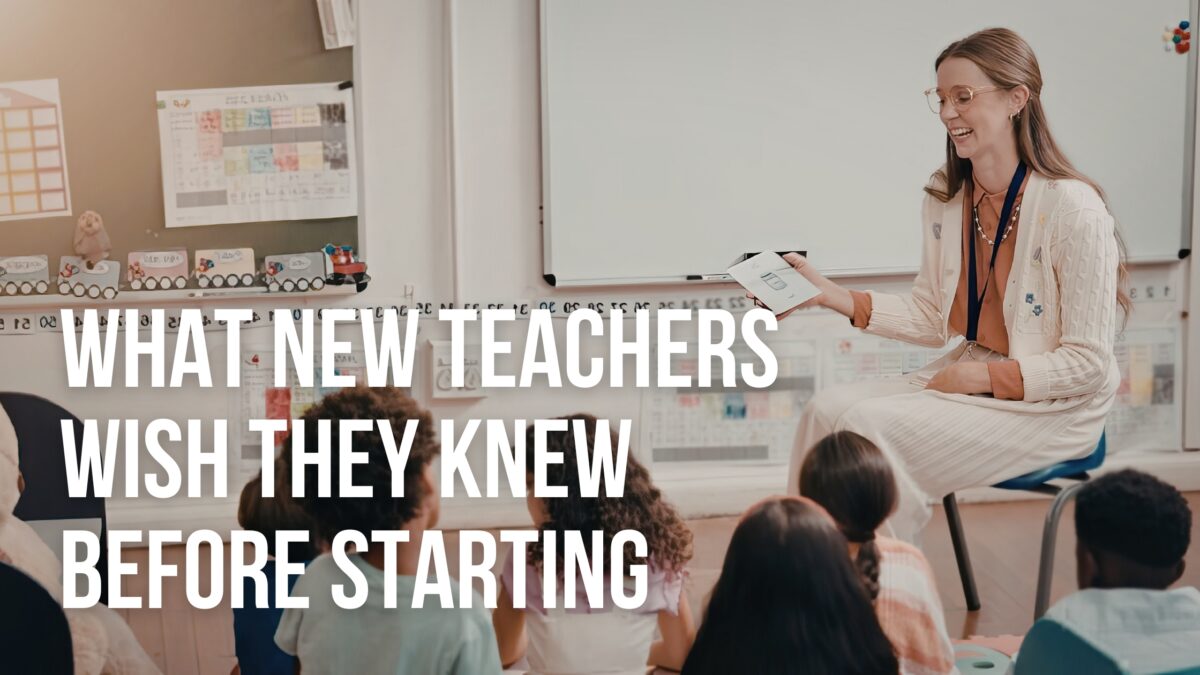
Are you a new teacher? The first year of teaching often begins with excitement, color coded lesson plans, and high expectations. You imagine engaging lessons, motivated students, and a classroom that runs smoothly. Here are 15 things new teachers need to know before starting.
Then reality hits.
Students test boundaries. Lessons don’t go as planned. You’re staying up late trying to keep up with grading, planning, and everything in between. It can feel overwhelming fast.
If you’re a new teacher, this experience is more common than you think. Many teachers enter the profession prepared academically, but not always ready for the day to day realities of the classroom.
In this post, you’ll learn what new teachers wish they knew before starting, along with practical insights to help you feel more confident and prepared.
Classroom Management Matters More Than Perfect Lessons
Many new teachers focus heavily on planning creative lessons. But without strong classroom management, even the best lessons can fall apart.
Students need structure before they can fully engage with content.
For example, if students are talking over you or not following instructions, it doesn’t matter how interesting the activity is. Learning won’t happen effectively.
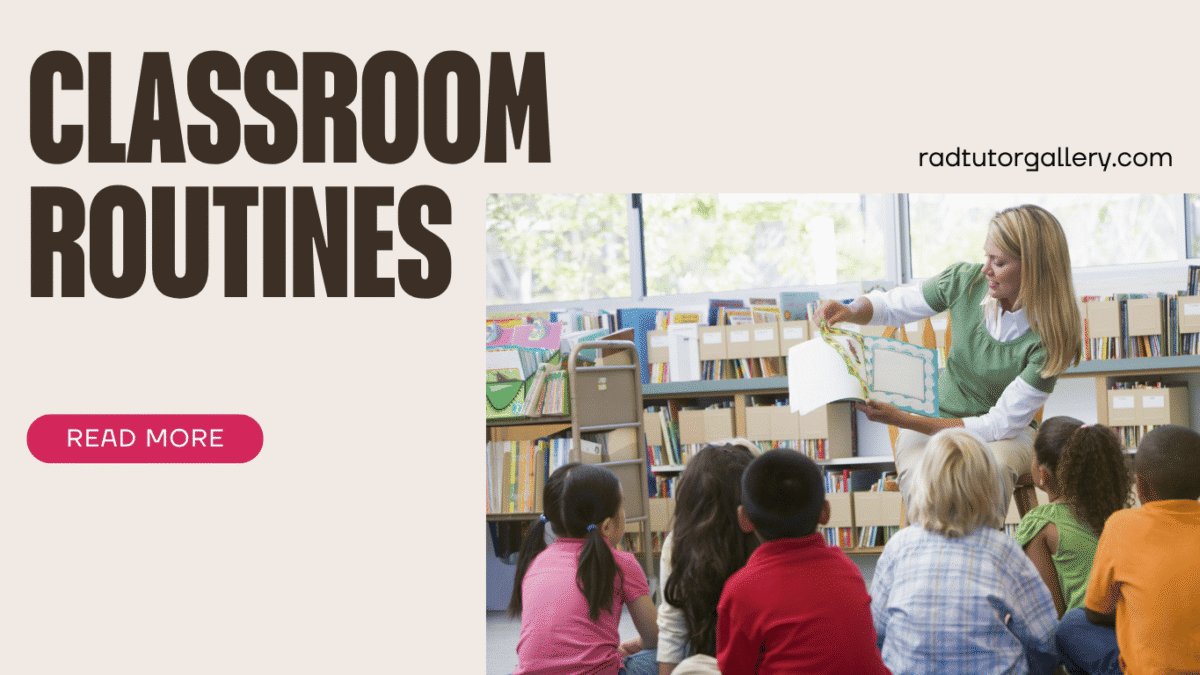
Experienced teachers often say they wish they had spent more time establishing routines early on.
Clear expectations, consistent consequences, and simple procedures can make a bigger difference than a highly detailed lesson plan.
You Won’t Have Everything Figured Out Right Away
There’s pressure to feel “ready” from day one. But the truth is, teaching is something you learn by doing.
Your first lessons may feel awkward. Your timing might be off. Some activities won’t work at all.
That’s normal.
In fact, studies on teacher development show that it can take several years for teachers to feel fully confident in their practice.
Instead of aiming for perfection, focus on progress.
Each lesson gives you feedback on what works and what doesn’t.
Relationships Are Just as Important as Content
Students are more likely to engage and behave when they feel connected to you.
Building relationships doesn’t mean being their friend. It means showing respect, consistency, and genuine care.
Simple actions like greeting students, learning their names quickly, and listening to their concerns can go a long way.
For example, taking a moment to ask a student how their day is going can build trust over time.
When students trust you, classroom management becomes easier and learning improves.
Time Management Is a Constant Challenge
One of the biggest surprises for new teachers is how much time everything takes.
Planning, grading, meetings, communication with parents, and administrative tasks can quickly fill your day.
It’s easy to feel like you’re always behind.
The key is not doing everything, but prioritizing what matters most.
For example, not every assignment needs detailed written feedback. Sometimes a quick check or verbal feedback is enough.
Learning to manage your time realistically is essential for avoiding burnout.
Not Every Lesson Will Go as Planned
Even with careful planning, things will go wrong.
Technology fails. Activities take longer than expected. Students misunderstand instructions.
Instead of seeing this as failure, think of it as part of the process.
Flexible teachers adapt in the moment.
For example, if an activity isn’t working, it’s okay to stop, simplify, or change direction.
Over time, you’ll build a mental toolkit of strategies you can use when things don’t go as expected.
Support Systems Make a Huge Difference
Teaching can feel isolating, especially at the beginning.
But you don’t have to figure everything out alone.
Colleagues, mentors, and even online teacher communities can provide valuable support.
For example, asking a more experienced teacher how they handle a specific situation can save you time and stress.
Teachers who seek support tend to feel more confident and less overwhelmed.
Common Misconceptions New Teachers Have
I need to be strict all the time to be respected
Respect comes from consistency and fairness, not fear
If a lesson fails, I’m a bad teacher
Every teacher has lessons that don’t work
I have to do everything perfectly
Teaching is about growth, not perfection
Students should always be engaged
Attention naturally fluctuates during lessons
Actionable Tips You Can Use Right Away
Here are practical strategies to help you navigate your first year:
- Establish 3 to 5 clear classroom rules and stick to them
- Practice routines like entering the classroom and starting work
- Plan lessons with extra time for flexibility
- Use simple feedback methods to save time when grading
- Build small daily connections with students
- Reflect briefly after each lesson on what worked and what didn’t
- Ask for help when you need it instead of struggling alone
These steps can make your day to day teaching more manageable.
Helpful Tools and Simple Systems
A few simple systems can make a big difference.
Use a weekly planner to map out lessons and avoid last minute stress.
Keep a folder of reusable lesson materials so you don’t have to start from scratch each time.
Some teachers also use quick reflection notes at the end of the day to track what worked well.
For example, writing down one successful strategy and one area to improve can guide future lessons.
Conclusion
Starting your teaching journey can feel overwhelming, but it’s also a time of growth and discovery.
You don’t need to have everything figured out right away.
Focus on building routines, connecting with students, and learning from each experience.
Over time, things will start to feel more natural and manageable.
Take it one day at a time. Small improvements add up.
If you’re looking for practical classroom resources, templates, or tools to support your teaching, explore options that help you stay organized and reduce your workload.
- Art20 products
- Class Management26 products
- English152 products
- Growth Mindset70 products
- History59 products
- Kids6 products
- Math19 products
- Music17 products
- PE18 products
- Science74 products
- Social Studies57 products