15 Halloween Classroom Activities for Students | Fun & Easy Ideas
September 17, 2026
15 Halloween Writing Prompts and How to Use Them
September 23, 2026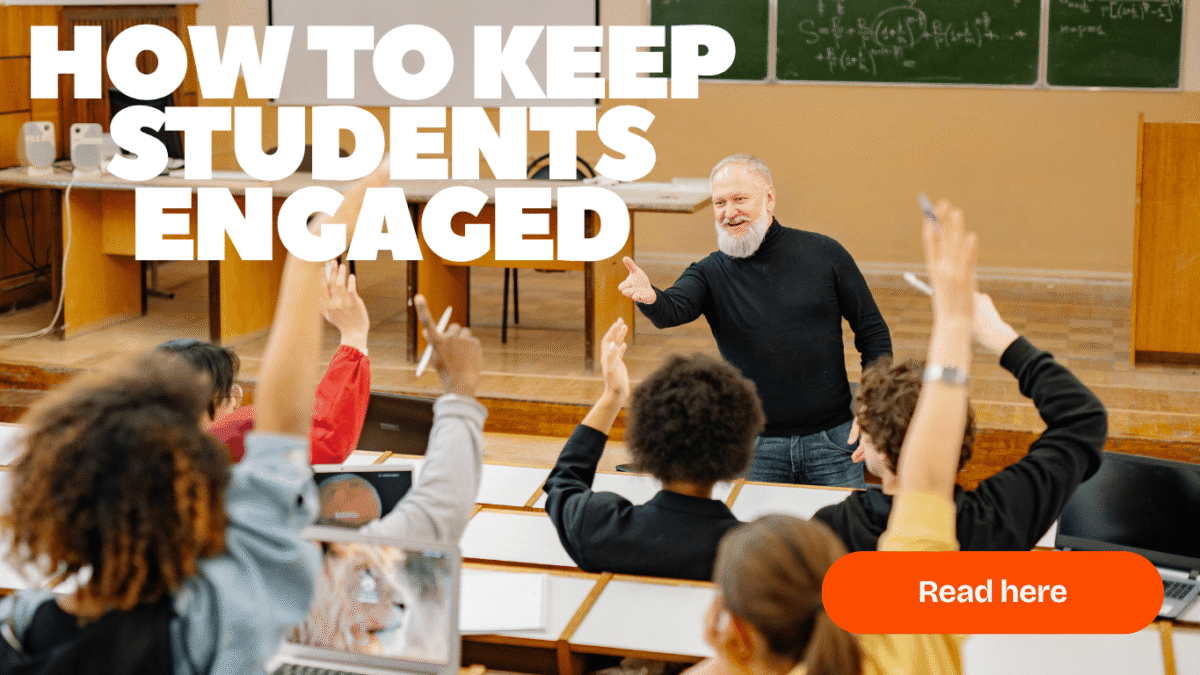
Are your students having trouble focusing in class? Do they get distracted easily or seem less interested in your lessons? If you often find yourself wondering, “What can I do to make my lessons more engaging?”, you are not alone.
Keeping students engaged can sometimes be challenging, especially when they lose focus during longer lessons or activities. The good news is that you don’t always need complicated teaching techniques. Sometimes, a few simple changes to your classroom activities can make a big difference.
From interactive games and movement to visual materials and student choices, there are many ways to make your lessons more engaging while keeping students actively involved.
Here are 12 practical strategies to help you keep students engaged in class. You can adjust each activity based on your students’ age, interests, level, and classroom environment.
1. Start with a Clear and Interesting Question
Instead of starting every lesson with the same question, try opening your class with something that immediately sparks your students’ curiosity.
For example, instead of simply asking, “How is it going?”, try questions such as:
- “Did anyone go to the cinema and eat popcorn last week?”
- “What is the most popular video game you know?”
- “Why do you think some video games stop being popular?”
- “What food would you eat every day if you could?”
Think about topics your students might already enjoy, such as video games, movies, popular food, sports, music, or other things they encounter in their everyday lives.
You don’t have to make every question directly related to the lesson at first. The goal is to get students talking, thinking, and paying attention before you move into the main activity.
2. Give an Interesting Warmer Activity
A good warmer can help students get ready for the lesson and create a more active classroom atmosphere.
However, your warmer doesn’t need to be complicated or take too much time. Try short, interactive activities such as:
You can also use simple online games or technology-based activities when appropriate. These activities can give students a chance to interact, review vocabulary, or simply have some fun before moving on to the main lesson.
A short and enjoyable warmer can help students transition from whatever they were doing before class into learning mode.
3. Give Students Choices
Students don’t always have to do exactly the same type of activity. Whenever possible, give them small choices during your lessons.
For example, you could ask:
- “Would you rather draw or write?”
- “Do you want to practice speaking or reading first?”
- “Would you like to work with a partner or work individually?”
You don’t need to give students choices for every activity. Even small opportunities to choose can make them feel more involved in the lesson.
You can also create a sense of choice through games. Let students choose a random card with a picture or word, choose their partner, decide who will present next, or pick which question they want to answer.
These simple choices can make classroom activities feel more interactive and give students a greater sense of participation.
4. Use Pair and Small-Group Activities
Students can become more engaged when they have opportunities to communicate and work with their classmates.
Instead of having students listen to the teacher or work individually for the entire lesson, try using pair work or small-group activities.
For example, you can give students:
- Conversation questions
- Discussion topics
- Information-gap activities
- Picture descriptions
- Short problem-solving tasks
- Vocabulary games
Working with a partner can make speaking activities feel less intimidating, especially for students who may not feel comfortable speaking in front of the whole class.
It also creates more opportunities for students to communicate instead of having the lesson rely entirely on teacher-to-student interaction.
5. Add Movement to Your Lessons
Students don’t necessarily have to sit in the same place throughout the entire lesson.
Adding simple movement-based activities can help break up a long lesson and make classroom learning more active.
You could try activities such as:
- Touch the ball
- Touch the wall
- Slap the correct object
- Stand up if you agree
- Move to the correct answer
- Find something in the classroom
Movement can be especially useful for younger learners, but older students can enjoy it too when the activity fits their age and classroom environment.
Just remember to keep the activity controlled and purposeful. Too much movement can make students tired or make the classroom difficult to manage.
6. Use Visual Materials
Interesting visual materials can make lessons easier to follow and give students something concrete to talk about.
You can use pictures, illustrations, presentations, flashcards, posters, or other visual aids to introduce a topic.
For example, if you are teaching comparatives, you could show pictures of two superheroes and ask students to compare them.
You might ask:
- “Who is taller?”
- “Who is stronger?”
- “Who is faster?”
- “Who has a bigger weapon?”
Students can immediately see what they are comparing, which gives them a clear starting point for the lesson.
Visual materials can also make your classroom more interesting while helping students connect new language or concepts with something they can see.
7. Change Activities Regularly
Students can lose focus when they spend too much time doing the same activity.
Instead of keeping students on one task for the entire lesson, try changing activities regularly. For example, you could move from a discussion to a game, then to a worksheet, and finally to a speaking activity.
If students start looking distracted, becoming restless, or losing interest, it may be time to switch to something different.
Having several activities prepared also gives you more flexibility when a particular activity doesn’t work as expected.
You can also check out our other classroom activity ideas for more inspiration.
Free No-Prep Classroom Activities for Busy Teachers – Rad Tutor Gallery
Classroom Time Fillers That Are Actually Meaningful – Rad Tutor Gallery
No-Prep Classroom Games That Require Zero Materials – Rad Tutor Gallery
Fun Classroom Activities to Increase Student Engagement | Rad Tutor Gallery – Rad Tutor Gallery
8. Celebrate Effort and Participation
Everyone likes to feel appreciated, and students are no different.
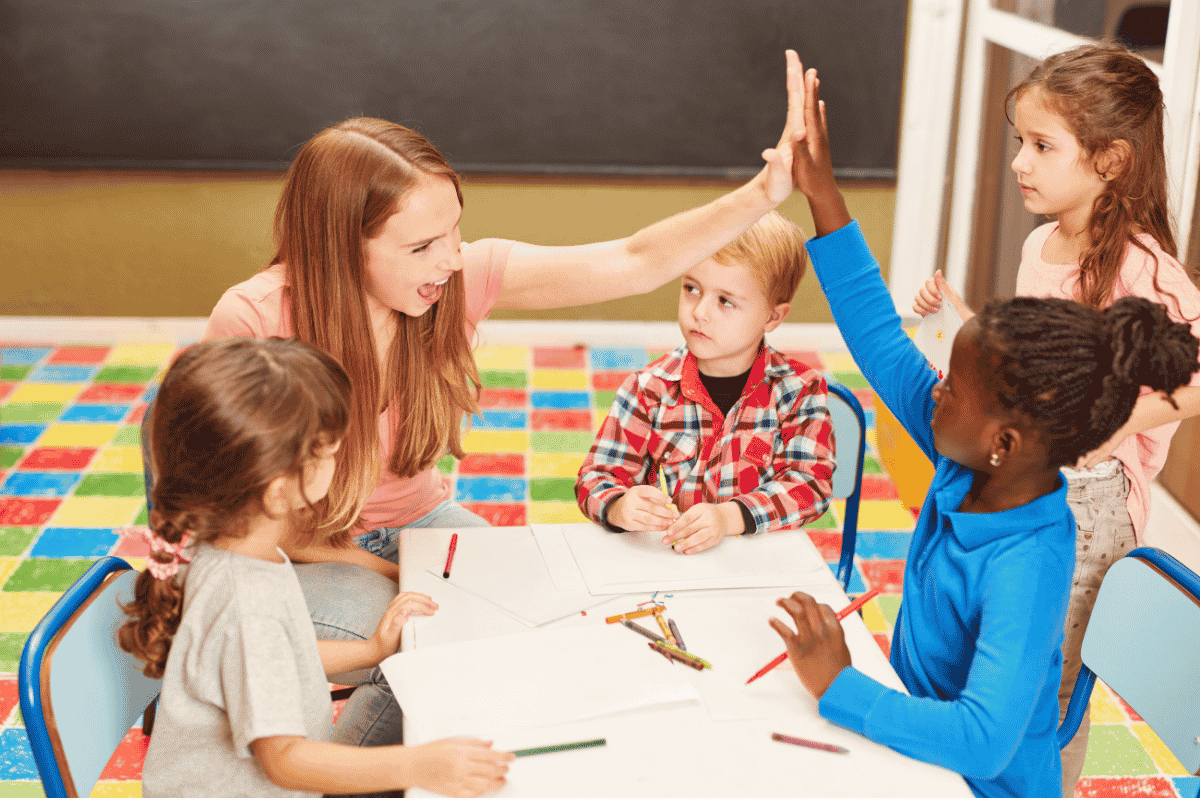
Don’t only praise students when they get the correct answer or win a game. Recognize positive behavior, effort, participation, patience, and improvement as well.
For example, if a student patiently waits for their turn, you can say:
“Thank you for waiting for your turn.”
If a group completes an activity successfully, you could say:
“You did a great job working together!”
You can also praise students for trying, even when their answer isn’t perfect.
Small moments of appreciation can help create a more positive classroom environment and encourage students to participate.
So don’t be afraid to recognize your students’ efforts!
9. Adjust Activities to Your Students’ Interests
Your lessons are ultimately for your students, so why not include some of the things they already enjoy?
Pay attention to their interests and find simple ways to connect those interests to your lessons.
For example, if a student loves football, you could use football players or football-related examples when teaching a language point.
If your students enjoy a particular type of music, you could occasionally create a lesson or activity around that topic.
You don’t have to completely change your curriculum. Even a small reference to something your students like can make an activity feel more relevant to them.
When students can talk about things they genuinely enjoy, they may feel more involved and willing to participate.
10. Give Students Tasks That Encourage Exploration
Sometimes, students simply need a chance to explore.
Instead of keeping everything inside the classroom, give them activities that encourage them to move around, observe their surroundings, and find things.
You could try:
- Scavenger hunts
- Treasure hunts
- Find Someone Who
- Find something made of…
- Classroom observation activities
For example, you could prepare clues around the classroom or school area and ask students to find the answers.
In my experience as a teacher, students often enjoy going outside the classroom, exploring the hall, and looking for things you have prepared for them. They can also write sentences or answers based on what they observe.
These activities can make students feel like they are taking a break from the usual classroom routine while still practicing the language.
11. End the Class with a Quick Reflection
Keeping students engaged isn’t only about what happens during the lesson. The way you end your class can also leave students with a positive feeling about learning.
Before students leave, take a moment to ask what they learned or how they felt about the lesson.
You can also give them a little preview of the next class to make them curious.
For example:
“Today we learned about ____, and you guys did a great job! Next time, I have another fun game for you, so look forward to it!”
A short reflection can help students remember what they learned while giving them something to look forward to in the next lesson.
12. Make Your Classroom More Engaging with Visuals
Keeping students engaged also involves creating a classroom environment that feels interesting and inviting.
One simple way to do this is by decorating your classroom with printable classroom posters. Educational posters can provide useful information while also adding visual interest to your learning space.
Choose classroom posters that match your students’ age, interests, and learning needs. A well-designed poster can become more than just decoration—it can also be a visual learning resource that students see throughout their time in the classroom.
Ready to make your classroom more engaging?
Get your printables here.