What to Say Instead of “Good Job”: 50 Ways to Praise Students
October 7, 2026
10 Free Growth Mindset Posters for Teachers
October 21, 2026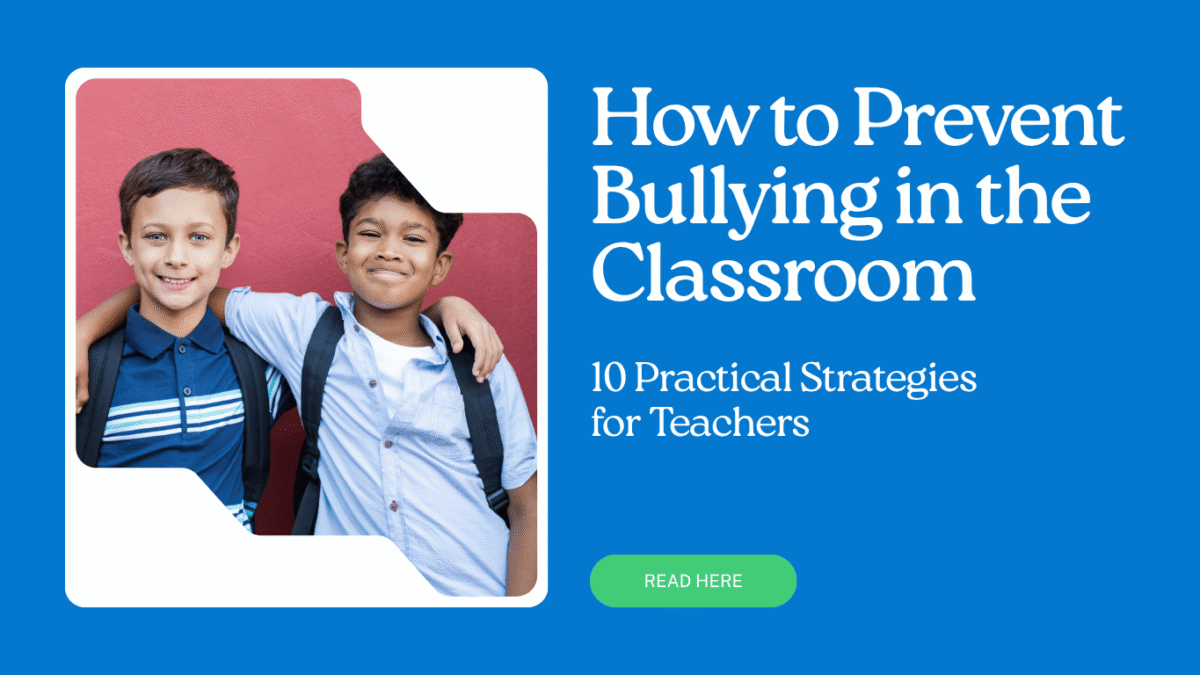
Hi there, teachers! Have you ever noticed something strange about your students’ behavior? Sometimes, the signs are subtle, but other times, it’s pretty obvious that something is happening among your students.
For example, when a student tries to answer a question in class, some of their classmates laugh at them. Or perhaps some students make fun of another student’s situation or condition. These could be signs of bullying in the classroom, or even bullying that happens outside the classroom, that you need to pay attention to from now on—or perhaps you have already been paying attention to them.
That’s a good move, teachers, because bullying is not something we should take lightly.
You may wonder, what exactly is the definition of bullying? According to UNICEF’s article Bullying: What Is It and How to Stop It, bullying happens when someone intends to hurt another person, either physically or through hurtful words or behavior, and does so repeatedly. As we can see, bullying can happen through physical actions as well as hurtful words. Both can cause pain and may even lead to long-term trauma for students.
The truth is, students who experience bullying are often afraid to tell adults, such as their teachers. They may think their teachers will not care or that the bullies have more power than they do.
But it shouldn’t be that way. As teachers and adults, we can definitely do something to prevent bullying and address it when it happens.
In this article, I will share 10 practical strategies to prevent bullying in the classroom that can also help reduce the risk of bullying outside the classroom. But first, let’s learn a little more about bullying.
What Does Bullying in the Classroom Look Like?
Bullying can happen in different forms, but the intention is generally the same: to hurt or make someone feel uncomfortable, either physically or mentally, and make them feel bad about who they are.
Here are some common types of bullying you should recognize:
- Verbal bullying: Name-calling, insults, and hurtful jokes.
- Social bullying: Deliberately excluding someone or spreading rumors about them.
- Physical bullying: Hitting, pushing, or damaging someone’s belongings.
- Cyberbullying: Sending harmful messages or posting hurtful content related to school relationships.
Any of these types of bullying can happen, so start preparing yourself to recognize the signs. As time goes on and technology continues to develop, bullying can take many different forms.
You also need to look more closely at whether a situation is simply a conflict between friends or whether there is a student who keeps getting hurt repeatedly. Understanding the difference is an important first step in preventing bullying at school.
10 Practical Ways to Prevent Bullying in the Classroom
1. Establish Clear Classroom Rules About Bullying
Every time you start your class, make sure you explain your classroom rules and get your students to pay attention to them.
Simple rules like “Listen” and “Be kind” can be effective in showing your students that, in this classroom, we listen to everyone and treat each other nicely.
These rules also remind students that you will not ignore unkind behavior and that they can always refer back to the classroom rules when something goes wrong.
You should also make it clear that there will be appropriate consequences if students continue to break the rules. Of course, these consequences should follow your school’s policies.
Clear classroom rules are an important part of classroom management and can help create a safer learning environment for everyone.
Read also Classroom Routines: How to Get Students to Follow Them – Rad Tutor Gallery to learn how to get students to follow classroom rules and routines.
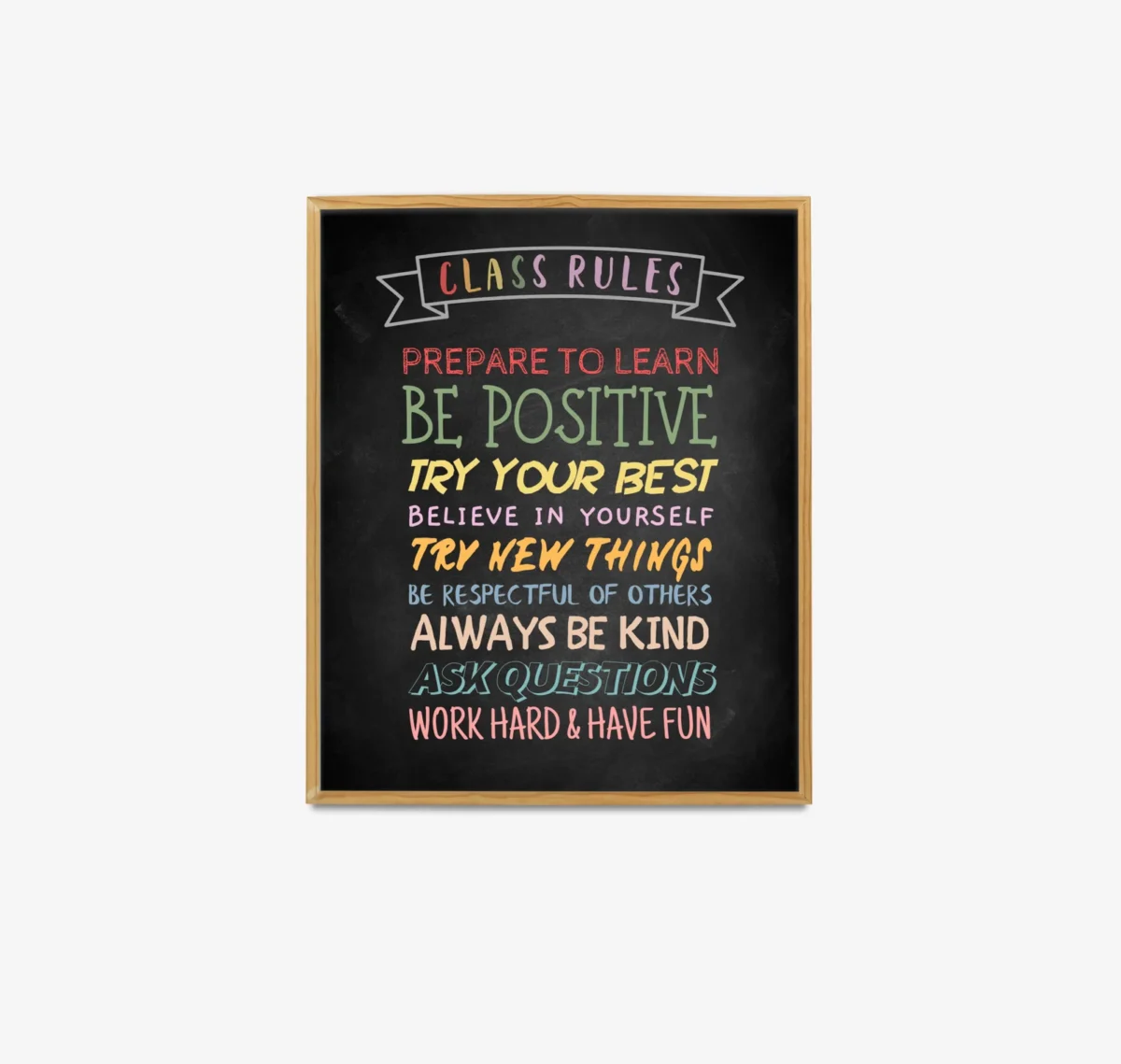
2. Build a Classroom Culture of Respect
This step is important. When students learn in a respectful environment, they are more likely to treat one another with respect, too.
Being respectful means trying not to hurt anyone’s feelings with your words or hurt someone physically.
To build this kind of classroom environment, you also need to show respect to your students. If something goes wrong, ask them, “What’s going on?” If a student seems to be having a bad day, you can politely ask what has been happening in their life. Offer comforting words and solutions whenever you can.
If someone laughs at another student’s answer or opinion, remind them to listen first. Explain that laughing at someone is not nice when there is nothing funny about the situation.
When your students use hurtful words, remind them that we don’t speak that way, at least not in this classroom. Make it clear that disrespectful language is not acceptable here.
Building a culture of respect takes time, teachers, but it is one of the most important steps in preventing bullying in the classroom. You can start with appreciating and praising your students when they perform good in class and do a good job. Saying “Good job” is never bad but try to also say other praises that can cheer up your students and to show that you care.
Learn how to appreciate your students by saying compliments in this article: What to Say Instead of “Good Job”: 50 Ways to Praise Students – Rad Tutor Gallery
3. Teach Your Students to “Love Yourself”
In 2017, UNICEF launched a “Love Yourself” campaign with BTS, aimed at promoting self-love and mental well-being among young people. The campaign reached a global audience and became popular at the time.
Learning to love yourself is important. It means embracing your uniqueness and developing healthy self-esteem.
It can also play a role in bullying prevention. When students learn to accept themselves and appreciate what makes them unique, they may feel less of a need to put other people down because of their own insecurities or dissatisfaction.
When you feel comfortable with yourself, it becomes easier to accept others, too. Learning to love yourself can help you learn to love others.
So, how can you teach your students to do this?
You can start by talking to them directly about the importance of self-love. You can also point out positive things about them, such as “I like your hair,” “That’s a great answer,” or “I like your outfit.”
These small compliments can help students feel appreciated and more confident about themselves.
4. Watch for Bullying in Less-Supervised Areas
I know this may feel like another responsibility for teachers, but you can always pay closer attention during times and in places where students receive less supervision.
These might include transitions between lessons, school hallways, break times, or other areas where students interact more freely.
You don’t have to keep your eyes on every student every second, but you should stay aware of what is happening and pay attention when something seems wrong.
As adults, we have a responsibility to help protect children from bullying wherever we can. Bullying may happen more easily when there is less supervision, so paying attention to these moments can make a difference.
5. Teach Students How to Respond to Bullying
Students also need to know how to respond when bullying happens.
Teach them to seek help from teachers or other trusted adults and encourage them not to give up asking for help until the situation has been properly addressed.
You should also encourage students to be kind to everyone and to take safe, appropriate action when they witness bullying.
For example, they can support the student being targeted, invite them to join a group, or report the incident to a trusted adult.
Make sure your students understand that they do not have to handle bullying on their own. Asking for help is not a sign of weakness; it is a way to keep themselves and others safe.
6. Encourage Students to Speak Up Safely
This is another important step in preventing bullying at school.
Even after students report bullying, they may still be afraid that the situation will become more complicated or that they will become the next target.
To help them feel safer, give students a way to report bullying privately. For example, they could leave an anonymous note or letter for a teacher, use a designated reporting box, or send an email.
Make sure students understand how their reports will be handled and who may need to know about them to keep everyone safe.
You should also explain that students will not be punished simply for reporting bullying in good faith.
When students feel that their teachers will listen and take their concerns seriously, they may become more willing to speak up when something happens.
7. Use Inclusive Group Activities
When pairing students or dividing them into groups, try not to put the same students together every time.
Encourage everyone to rotate group members so they can get to know more of their classmates. This can help students build new friendships and reduce the chance of certain students being repeatedly excluded.
You can use a random group generator to create fair groups. If the same students still end up together too often, you can occasionally arrange the groups yourself.
Of course, you should also pay attention to how students interact within their groups. Simply placing students together does not guarantee that everyone will feel included.
Inclusive group activities are not only useful for bullying prevention but can also be a great strategy for how to keep students engaged in class.

8. Address Hurtful Jokes and “Just Kidding” Comments
To create a respectful classroom environment, you need to address hurtful jokes that students make in class.
Sometimes, students may say something unkind and then defend themselves by saying, “I was just kidding!”
You can respond with something like:
“Even if you meant it as a joke, it hurt someone. We need to treat each other respectfully.”
This reminds students that their words can affect other people, even when they do not intend to cause harm.
Why should we be respectful? Because if we want others to respect us, we also need to show respect to them.
Make sure this culture of respect continues throughout your classroom activities, not just when a problem occurs.
Of course, not every joke or disagreement is bullying. What matters is paying attention to the situation, the impact of the behavior, and whether the same student is being targeted repeatedly.
9. Teach Empathy and Emotional Regulation
Empathy is the ability to understand another person’s feelings and perspective, even when you have not experienced the same situation yourself.
We can encourage empathy by modeling kindness, listening to others, including everyone in group activities, and building respectful relationships.
From time to time, you can also use stories, discussions, role-play, and reflection activities in your classroom.
For example, students can take turns sharing stories about their experiences, while their classmates listen and respond with their thoughts or comforting words.
Through these activities, students can learn how to communicate kindly and understand the impact their words and actions may have on other people’s feelings.
Emotional regulation is important, too. Help students recognize their emotions and find appropriate ways to express frustration, anger, or disappointment without hurting others.
Want to learn more about teaching empathy? You can get our Empathy in Practice poster here: Empathy in Real Life Set | Printable Classroom Posters – Rad Tutor Gallery
10. Work With Families and School Staff
Your school should have clear policies for preventing bullying and addressing it when it happens.
Make sure you understand your school’s rules and procedures. If a bullying incident occurs, follow the established reporting process and involve the appropriate school staff.
You can also work with school counselors, administrators, and students’ families when necessary.
Remember, teachers do not have to handle every bullying situation alone. Preventing bullying at school is a shared responsibility that requires cooperation between teachers, school staff, families, and students.
What Should Teachers Do When Bullying Happens?
Even with good classroom management and clear anti-bullying rules, bullying may still happen. So, what should you do when you witness or receive a report of bullying?
Here are five practical steps you can take.
- Stop the behavior calmly. Interrupt the bullying behavior and prioritize the safety of the students involved.
- Support the targeted student. Listen without blaming the student and ask what they need to feel safe.
- Speak to students separately when appropriate. Avoid forcing students to make up or apologize in front of the entire class immediately.
- Document what happened. Record the time, location, reported behavior, witnesses, and actions taken according to your school’s policies.
- Follow up. Check whether the behavior has stopped and whether the targeted student feels safer.
Remember, teachers, dealing with bullying is not just about stopping one incident. You also need to make sure that the behavior does not continue and that students feel safe returning to class.
Common Mistakes Teachers Should Avoid
When trying to prevent bullying in the classroom, there are some mistakes teachers should avoid.
- Treating bullying as just “kids being kids.” Bullying should not be dismissed as ordinary childhood behavior when a student is repeatedly being targeted.
- Telling the victim to ignore the bully. Students need support and appropriate intervention, not the feeling that they must handle everything themselves.
- Humiliating students accused of bullying in front of the class. Address the behavior professionally and follow your school’s procedures.
- Forcing students to reconcile too quickly. Do not pressure students to make up before the situation has been properly addressed and their safety has been considered.
- Failing to use your authority as a teacher. You may not be able to solve every situation alone, but you can take action, seek support, and follow the proper procedures.
- Assuming there is no bullying because nobody has reported it. Some students are afraid to speak up, so pay attention to behavioral changes and possible warning signs.
Avoiding these mistakes can help you create a classroom where students feel safer and more comfortable asking for help.
Conclusion
As teachers, we have both the right and the responsibility to create a safe learning environment for our students. One way to do this is by preventing bullying and paying attention whenever signs of bullying appear in the classroom.
Don’t forget to work together with other school staff and the principal to help prevent bullying at school. You do not have to do everything alone.
You can start today by creating classroom rules that you can display on your classroom walls and regularly reminding students to treat one another with kindness. You can also start a weekly classroom discussion about bullying to help students understand its impact and learn how to respond when it happens.
Small steps can make a difference, teachers. The important thing is to be consistent and show your students that their safety and well-being matter.
Want to find relevant classroom posters about bullying? Looking for classroom rules posters that you can customize and display on your classroom walls? We have them all!
Check out our best classroom rules posters here
To reinforce your anti-bullying campaign in the classroom, why not use our “Be a Buddy, Not a Bully” posters here:
Good luck, teachers!