Do Classroom Posters Help Students Learn? | Teacher Guide
February 7, 2026
Affordable Classroom Posters for Teachers | Rad Tutor Gallery
February 11, 2026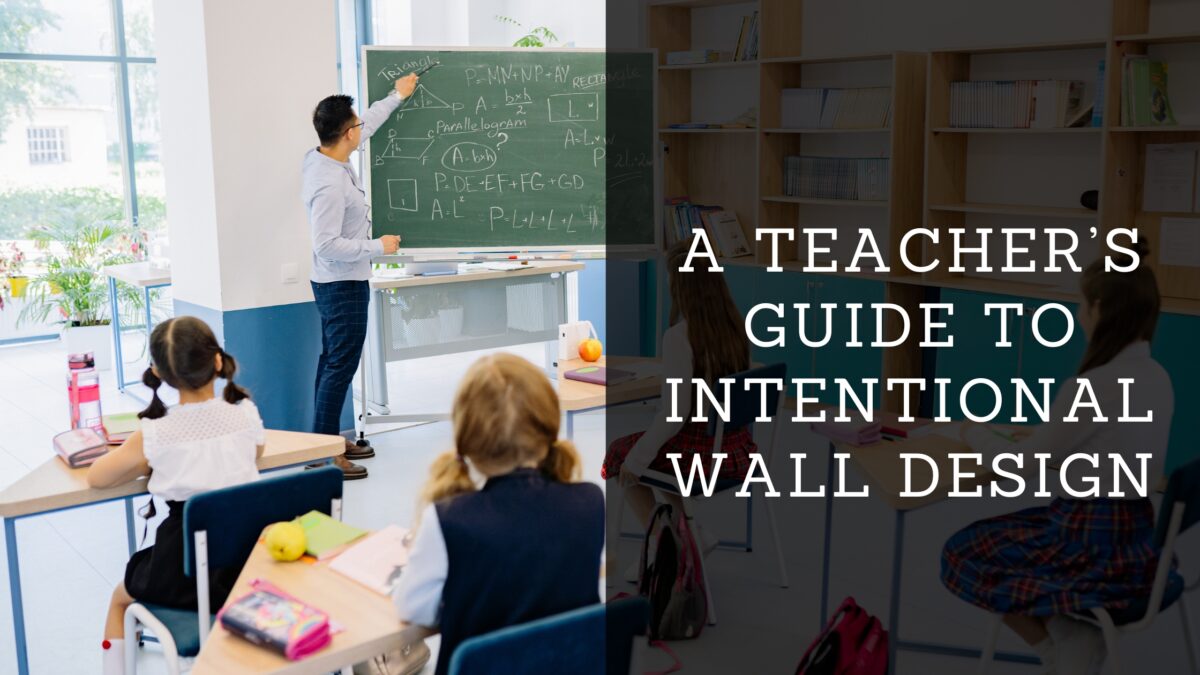
Walking into a classroom overloaded with color, text, and visuals can feel overwhelming—for teachers and students alike. Many educators want their rooms to feel welcoming and inspiring, but worry that too much decoration may distract students from learning. The good news is that effective classroom design is not about bare walls or maximalist displays. It is about intention. With thoughtful choices, classroom wall decor for teachers can support focus, reinforce instruction, and still reflect your teaching style.
The Problem With Overstimulating Classrooms
Research on cognitive load shows that students, especially younger learners, can become overstimulated when surrounded by excessive visual input. Bright colors, crowded bulletin boards, and unrelated decorations compete for attention. Instead of helping students engage, visual clutter can increase anxiety, reduce concentration, and make it harder for learners to process information.
This does not mean classroom walls should be empty. It means they should work with your instruction, not against it.
Start With a Purpose for Every Wall
Before adding anything to your walls, ask a simple question: What is this helping students do?
Effective classroom wall decor for teachers starts with purpose-driven zones.
Consider dividing your classroom visually into areas such as:
- An instruction wall for anchor charts and key concepts
- A reference wall for academic support materials
- A motivational or community space for encouragement and classroom identity
When each wall has a clear role, you naturally reduce clutter and avoid random decorations that add noise rather than value.
Choose Classroom Posters That Reinforce Learning
Not all classroom posters are created equal. Decorative posters with inspirational quotes can be useful, but they should not dominate instructional content. Educational posters that align with your curriculum are far more powerful.
Examples include:
- Grammar rules students frequently forget
- Math strategies or problem-solving steps
- Science processes or historical timelines
Purpose-driven printable classroom posters allow teachers to decorate while reinforcing learning goals.
When posters reflect what students are actively learning, they become tools rather than distractions. Students begin to reference the walls independently, which strengthens retention and builds confidence.
Limit Color Palettes and Visual Noise
Color psychology matters in learning environments. While bright colors attract attention, too many of them at once can overwhelm students.
To keep educational wall art effective:
- Stick to one or two main colors for borders and headings
- Use neutral backgrounds to help text stand out
- Avoid mixing too many fonts or decorative elements
A cohesive color palette creates calm and consistency, helping students focus on content rather than decoration.
Rotate Instead of Accumulate
One common mistake teachers make is leaving everything up all year. Walls slowly fill until nothing stands out anymore.
Instead, rotate your displays:
- Keep current-unit materials visible
- Remove posters tied to completed topics
- Introduce new visuals gradually
This strategy keeps your classroom feeling fresh while ensuring that what is displayed remains relevant. Students are more likely to notice and use materials that feel timely.
Be Strategic With Placement
Where you place your decor matters just as much as what you choose. High-traffic areas near the board or student desks should remain relatively uncluttered.
Try this approach:
- Instructional posters near where lessons are taught
- Reference charts at student eye level
- Decorative elements in low-focus areas like near cubbies or doors
This balance allows classroom wall decor for teachers to support instruction without pulling attention away during lessons.
Think From a Student’s Perspective
Step into your classroom and imagine seeing it for the first time. Ask yourself:
- Where would my eyes naturally go
- Is there anything competing for attention during instruction
- Would I know which posters are important
When walls are intentional, students quickly learn which visuals matter. This clarity reduces cognitive overload and supports self-directed learning.
Use Printable Resources to Stay Flexible
Many teachers now prefer printable resources because they allow for easy updates and customization. Printable classroom posters and educational wall art make it simple to adjust content as standards change or as you refine your teaching approach.
Teachers often look for cohesive sets that match their classroom theme while remaining academically useful. This is where curated collections can save time and reduce decision fatigue. You can explore ready-to-use resources designed with learning and visual balance in mind by visiting my printable classroom decor shop.
Actionable Tips You Can Apply Today
To decorate without distraction, start small and refine intentionally:
- Remove one item from your walls for every new one you add
- Replace purely decorative posters with instructional alternatives
- Use consistent colors and clean layouts
- Rotate visuals based on current lessons
- Prioritize clarity over creativity
When thoughtfully designed, classroom walls become silent teaching partners. Instead of competing for attention, they guide, support, and reinforce learning—helping both teachers and students thrive.
- Art20 products
- Class Management26 products
- English152 products
- Growth Mindset70 products
- History59 products
- Kids6 products
- Math19 products
- Music17 products
- PE18 products
- Science74 products
- Social Studies57 products